The Indian government’s recent GST cut on small cars and EVs has led to a price reduction across several Tata Motors models. Starting this month, buyers can expect to save anywhere between ₹20,000 and ₹1.2 lakh, depending on the model and variant.
Design and Models Affected
The price revision impacts Tata’s most popular mass-market cars, including Nexon, Tiago, Tigor, Altroz, and Punch, along with the EV portfolio.
- The Tiago and Tigor see moderate price corrections, making them more attractive to budget-conscious buyers.
- The Altroz hatchback benefits from lower tax incidence, boosting its value-for-money appeal.
- The Punch micro-SUV, already a bestseller, is now cheaper and more competitive against rivals.
- The Nexon and Nexon EV, Tata’s flagship models, receive the biggest reductions, strengthening their hold in the compact SUV and EV markets.
With this GST cut, Tata Motors is positioning its lineup to appeal to an even wider audience.
Performance and Value Proposition
While the GST cut does not change performance, it directly enhances affordability.
- For petrol and diesel models, buyers now enjoy lower upfront costs without any compromise on features.
- EVs like the Tiago EV, Tigor EV, and Nexon EV benefit significantly as the government pushes for faster adoption of clean mobility.
- Tata’s vehicles continue to offer strong safety ratings, modern features, and robust design, making the reduced pricing an even stronger incentive.
This means the cost-to-value ratio of Tata cars has improved across the board.
Specs: What Buyers Gain
The GST-driven price drops extend across different vehicle categories:
- Entry-level hatchbacks: More accessible for first-time buyers, especially in urban and semi-urban markets.
- Compact SUVs: Lower ownership costs in a segment that is currently India’s most competitive.
- Electric vehicles: The biggest winners, as reduced pricing narrows the gap between EVs and ICE cars.
The savings allow buyers to either upgrade to higher trims with better features or reduce overall purchase costs.
Price Impact: How Much You Save
On average, the GST cut leads to:
| Car | Type | Reduction | Retail price |
|---|---|---|---|
| Tata Tiago | Small Car | ₹75,000 | ₹4,99,990 |
| Tata Tigor | Small Car | ₹80,000 | ₹5,99,990 |
| Tata Altroz | Small Car | ₹1.10 lakh | ₹6,89,000 |
| Tata Punch | Compact SUV | ₹85,000 | ₹6,19,990 |
| Tata Nexon | Compact SUV | ₹1.55 lakh | ₹7,99,990 |
| Tata Curvv | Mid-size SUV | ₹65,000 | ₹9,99,990 |
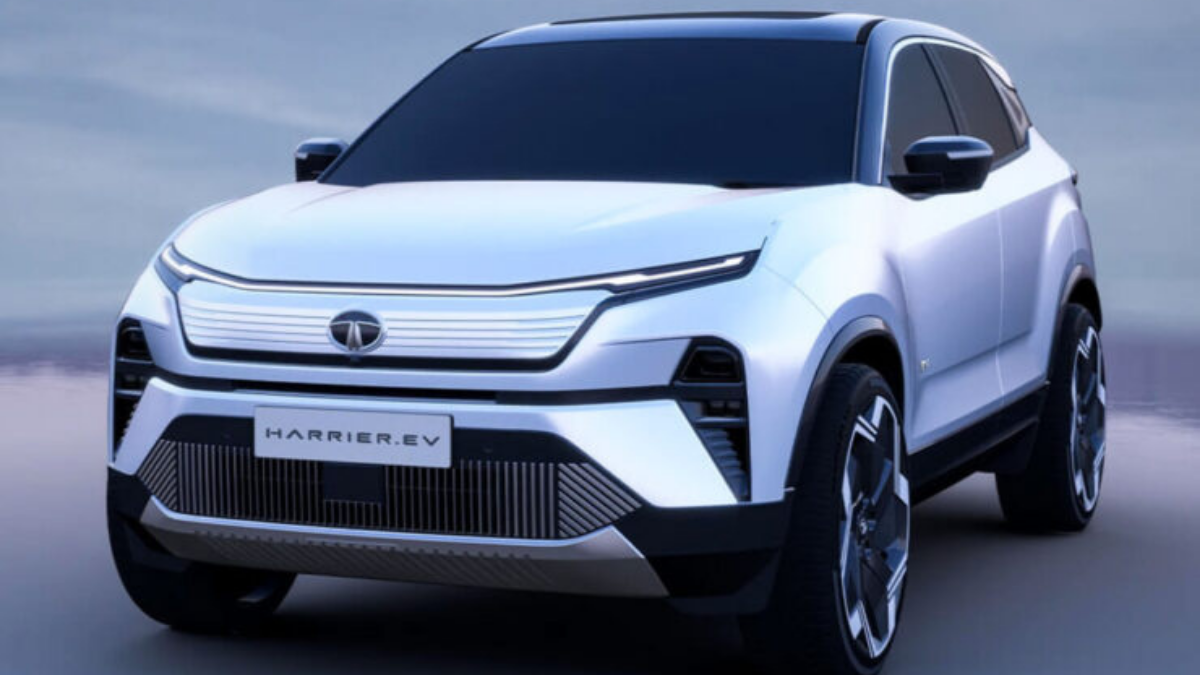
| Tata Harrier | Premium SUV | ₹1.4 lakh | ₹14,99,990 |
| Tata Safari | Premium SUV | ₹1.45 lakh | ₹15,49,990 |
For middle-class families, this makes ownership more feasible, while EV buyers get a strong incentive to make the switch.
Market Impact: Why It Matters
This GST revision and Tata’s pricing update carry major implications:
- Boost to EV adoption – Lower prices align with the government’s clean energy mission.
- Increased competitiveness – Tata’s reduced prices put pressure on Hyundai, Maruti Suzuki, and Mahindra.
- Stronger demand – Lower upfront costs are expected to increase booking volumes, especially during the festive season.
- Affordability for middle-class buyers – Families who had been waiting for price relief now see a clear opportunity.
The move strengthens Tata Motors’ position as India’s leading EV maker and one of the top passenger car brands.
Competitor Comparison: Who Feels the Heat
The GST cut not only benefits Tata buyers but also reshapes the competitive landscape.
- Maruti Suzuki: Will need to adjust strategy as its hatchbacks face tougher pricing pressure.
- Hyundai: Compact SUVs like Venue and Kona EV could lose some appeal against cheaper Tata alternatives.
- Mahindra: While its EV portfolio is still limited, price competition in SUVs like XUV300 and XUV400 is expected to intensify.
- MG and BYD: As global EV players, they may struggle to match Tata’s new pricing advantage in the budget EV space.
This price realignment could spark a new wave of competition in India’s passenger car market.
Conclusion: A Win for Buyers
The GST cut has transformed Tata Motors’ pricing strategy, making its cars more attractive across categories. From hatchbacks to compact SUVs and EVs, customers now save significantly, increasing affordability and accessibility.
For Tata Motors, the timing could not be better. With demand rising and competition heating up, this price reduction ensures it stays ahead in the race.
For buyers, the message is simple: this is the right time to consider a Tata car—whether you’re looking for a reliable hatchback, a feature-packed SUV, or a future-ready EV.