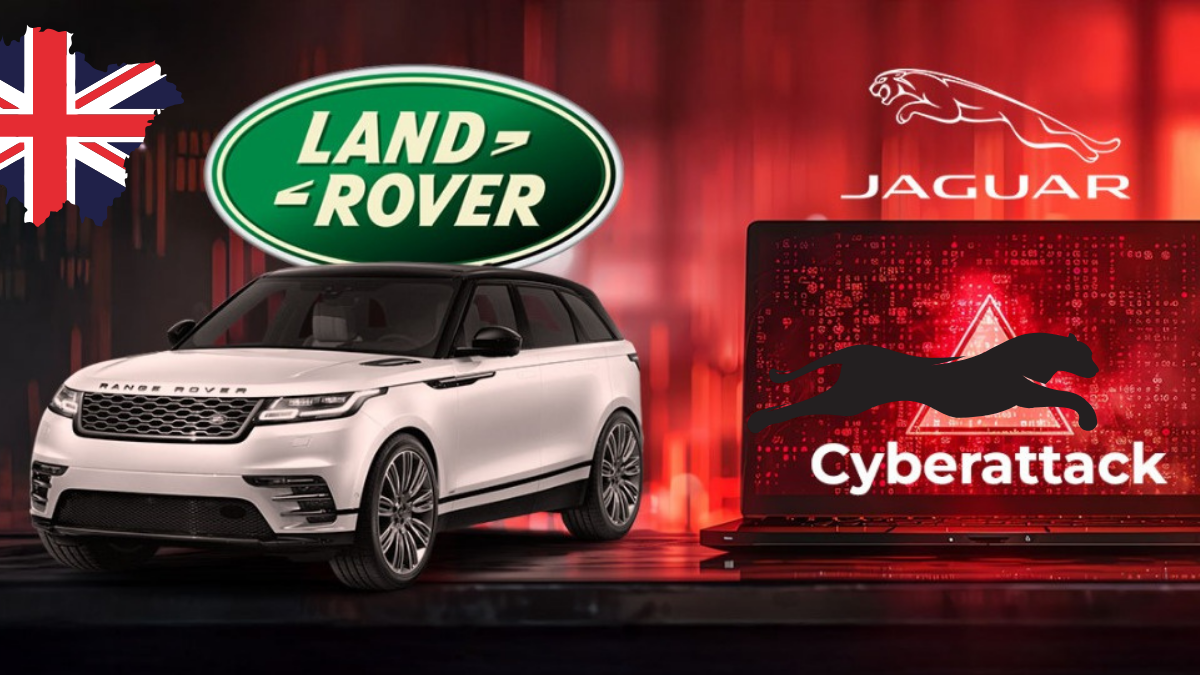
In a shocking development, Jaguar Land Rover (JLR) has been hit by a massive cyberattack in 2025, forcing the luxury carmaker to halt production across multiple global plants for weeks. The disruption is being called one of the most serious cybersecurity incidents to affect an automaker in recent years.
The Attack: What We Know So Far
The cyberattack reportedly targeted JLR’s central IT infrastructure, crippling key operations including production lines, logistics, and supply-chain management.
- Factory shutdowns: Plants in the UK, India, and parts of Europe are temporarily offline.
- Supply chain disruption: Key suppliers have been unable to deliver or receive orders.
- Employee systems frozen: Thousands of workers are unable to access internal systems.
- Customer delays: Deliveries of popular models like Range Rover, Defender, and Jaguar I-PACE have been postponed.
While JLR has not confirmed the exact source of the breach, cybersecurity experts suggest it could be a ransomware attack.
Production Impact: Weeks of Downtime
This cyberattack has forced JLR to suspend operations for an extended period, a rare move for a global automaker.
- Assembly lines are expected to be down for at least two to three weeks.
- Hundreds of vehicles remain unfinished as digital systems control critical manufacturing stages.
- Dealers across Europe, North America, and Asia are reporting delivery delays and order backlogs.
This prolonged disruption could cost JLR hundreds of millions of dollars in lost production.
Financial and Market Consequences
The cyberattack comes at a delicate time for Jaguar Land Rover, which has been working to revamp its lineup with new EV models.
- Analysts estimate that every week of lost production could cost £50–70 million in revenue.
- The company’s ongoing investments in electrification may face funding pressure.
- Market confidence has dipped, with JLR’s parent company Tata Motors’ shares seeing short-term volatility.
Cybersecurity breaches in the auto sector are not new, but the scale of this attack sets it apart.
Response: Crisis Management in Motion
JLR has confirmed that it is working with leading cybersecurity firms and law enforcement agencies to restore operations.
- Emergency IT teams are rebuilding compromised systems from backups.
- Manual workarounds are being used in some factories to limit downtime.
- Customers have been assured that personal and financial data remain secure, though investigations are ongoing.
In an official statement, JLR said:
“We are taking all necessary steps to restore operations and minimize the impact on our employees, suppliers, and customers.”
Wider Industry Concerns
This incident raises alarm for the automotive industry at large, where reliance on cloud systems, connected vehicles, and digital supply chains has increased vulnerability.
- Growing threat: Automakers like Toyota, Honda, and Volkswagen have also faced cyberattacks in recent years.
- Supply chain risks: With thousands of global suppliers linked digitally, one breach can disrupt the entire ecosystem.
- EVs and connectivity: As cars become more software-driven, the stakes for cybersecurity grow even higher.
Experts warn that manufacturers must increase investment in cybersecurity infrastructure, or risk facing similar shutdowns.
Competitor Landscape: Who Gains?
While JLR works to recover, rivals could temporarily benefit.
- BMW, Mercedes-Benz, and Audi may gain sales traction in the luxury SUV and sedan categories.
- Tesla could see increased demand for electric SUVs in markets where JLR EVs face delivery delays.
- Volvo and Lexus may capitalize on customer concerns about reliability and availability.
However, JLR’s strong brand loyalty means most buyers may simply delay purchases rather than switch brands.
Conclusion: A Wake-Up Call for Automakers
The Jaguar Land Rover cyberattack is a stark reminder of how vulnerable modern carmakers are to digital threats. With operations grounded for weeks, JLR faces financial losses, customer frustration, and reputational damage.
Yet, the incident could also serve as a turning point—forcing the global auto industry to treat cybersecurity with the same urgency as safety and emissions standards.
For JLR, the road to recovery will take time. But once systems are restored, the company will likely emerge with tighter security protocols and a renewed focus on resilience.