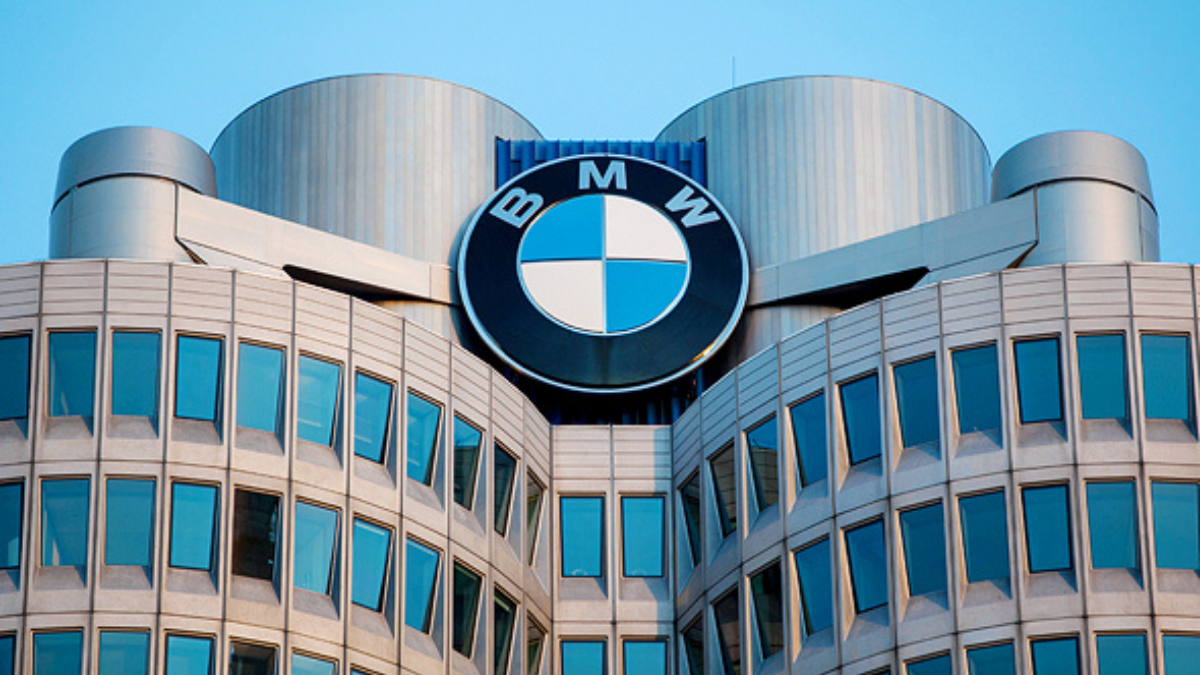
BMW has officially laid the foundation stone for its new plant in Debrecen, Hungary, a facility that marks a new chapter in automotive manufacturing. With an investment of more than €1 billion, the site will begin series production of BMW’s fully electric Neue Klasse in 2025.
At the groundbreaking ceremony, Milan Nedeljković, BMW AG Board Member for Production, described the plant as a global benchmark. “Plant Debrecen will set new standards in highly innovative vehicle manufacturing. This plant is state-of-the-art in terms of flexibility, sustainability, and digitalisation in the entire automotive industry.”
A Fossil-Fuel-Free ‘iFactory’
What sets the new Debrecen plant apart is BMW’s commitment to running it without fossil fuels.
- The facility is powered by a giant solar park, ensuring that electricity needs are met entirely from renewable sources.
- Heating systems rely on sustainable alternatives like geothermal and electric solutions, with no natural gas usage on site.
- Energy storage systems will stabilize supply and reduce waste, making the plant a true zero-fossil blueprint.
BMW calls this approach the ‘iFactory’ concept—where lean, green, and digital principles drive every stage of vehicle production.
AI and Digitalisation at the Core
Beyond clean energy, BMW’s iFactory is a leap forward in digital-first manufacturing.
- The plant will integrate artificial intelligence (AI) across logistics, quality checks, and predictive maintenance.
- A virtual twin system will mirror the physical plant, allowing engineers to simulate, optimize, and fix processes before implementation.
- Autonomous transport systems and smart robots will streamline assembly and parts handling.
This digital ecosystem ensures the plant is future-ready, scalable, and highly flexible for upcoming EV models.
Key Role in BMW’s EV Strategy
The Debrecen iFactory is central to BMW’s long-term EV transformation.
- It will produce the Neue Klasse, BMW’s next-generation fully electric platform.
- By 2030, BMW aims for half of all global sales to be electric, with Debrecen playing a crucial role in meeting that demand.
- The new plant balances global output between Europe, China, and the U.S., reinforcing BMW’s strategic production network.
According to Nedeljković, “The new plant in Hungary will play a key role in the transformation to electric mobility for both the BMW Group and its production network. It’s another important building block in our capacity and will support our long-term volume growth.”
Competitor Context: Where BMW Leads
While other automakers are moving toward greener production, BMW’s Debrecen iFactory sets a new benchmark.
- Mercedes-Benz is working toward carbon-neutral production by 2039, but BMW is going fossil-free now.
- Tesla has gigafactories partly powered by renewables, though BMW’s no-gas commitment goes further.
- Audi and Volvo are pursuing sustainability roadmaps, but BMW’s fully solar-powered model gives it a first-mover advantage.
This positions BMW not just as a premium EV maker, but as a pioneer in green industrialization.
Why It Matters
The opening of BMW’s eco-high-tech iFactory is more than a corporate milestone—it’s a signal of how the automotive industry is evolving.
- For Europe: It strengthens regional capacity at a time of intense global EV competition.
- For BMW customers: It ensures cleaner, more sustainable cars without compromising on premium standards.
- For the industry: It sets a higher bar for what’s possible in fossil-free, AI-driven manufacturing.
BMW’s Debrecen project is proof that sustainability and innovation can be scaled at an industrial level—and it may inspire others to follow.